
SEO for Single-Page Apps: Proven Strategies for Traffic Boost

Looking for the best strategies to improve the performance of your single-page application? Don’t worry, in this blog, you will get to know everything about the SPA. Explore details about the best proven strategies for SEO for single-page apps. Here, you will also get to know the difference between SPA and MPA and common mistakes that you should avoid. Start reading.
What is a Single-Page Application? Example
A SPA or Single-Page Application is a modern web application that works inside a browser. It doesn’t require page reloading. This may sound difficult to understand, but you use this type of SPA application every day.
Some of the best examples of single-page applications are Gmail, Facebook, Google Maps, and GitHub. If you have noticed, instead of loading a completely new page, Gmail or other such SPA apps only update their content. They work on a single HTML file, which updates the content using JavaScript and CSS bundles.
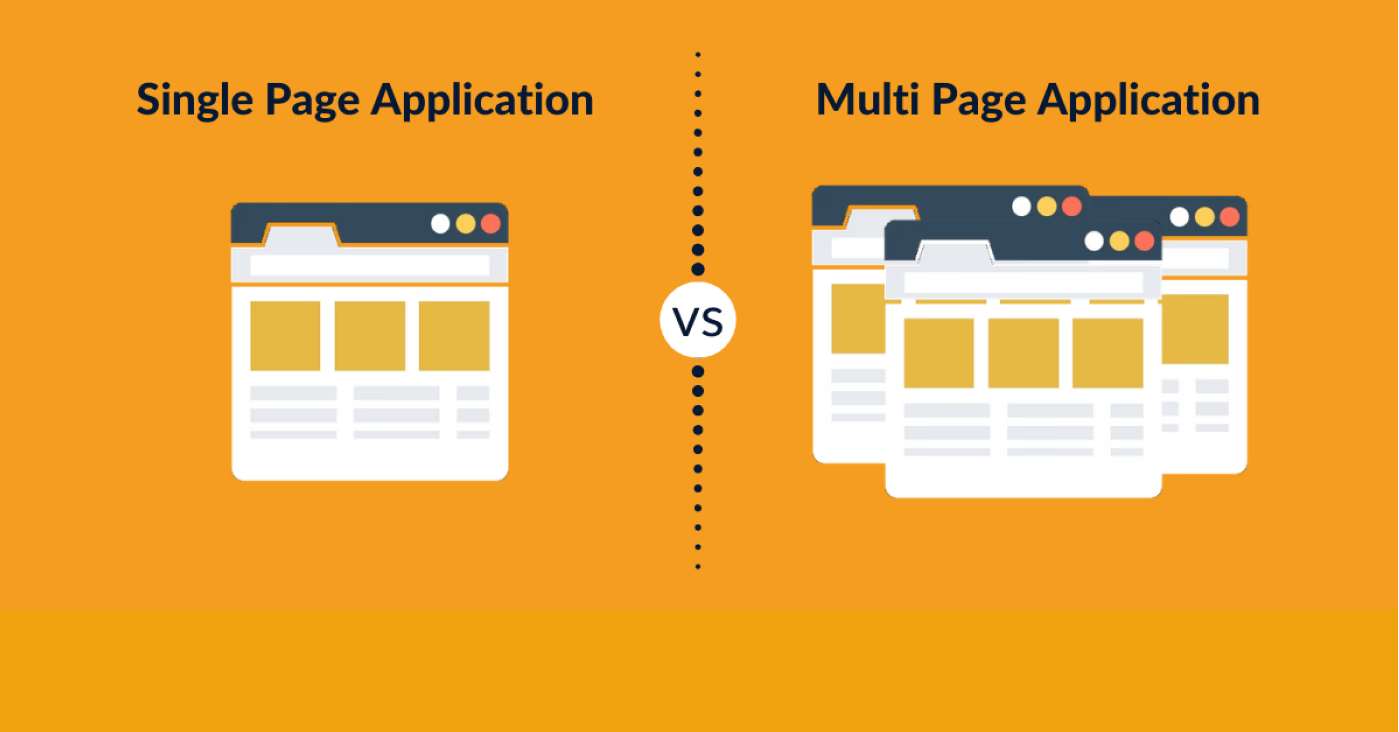
Single-Page Application Vs Multi-Page Application
Understand the difference between SPA and MPA with the help of the table below.
| Features | Single‑Page App (SPA) | Multi‑Page App (MPA) |
|---|---|---|
| Pages | One main page, Single URL | Many separate pages, each with its own URL |
| Navigation | Page doesn’t reload, its content only changes | Pages reload every time you click a link |
| User experience | Feels like a mobile app, fast and smooth to use | Slower than SPA, with every page reloading |
| How it works | Content is updated using JavaScript | Each page is generated on the server |
| Data transfer | Mostly just data like JSON | Full HTML pages are sent |
| SEO (search engines) | Difficult (SSR and pre‑rendering are needed for indexing) | Easier (Better SEO by default). |
| Good for | Dashboards, tools, or apps with lots of interaction | Used for content websites (blog, e-commerce) |
Benefits of Single-Page Application
SPA comes with several benefits, including faster and smoother user interaction. Let’s take a look at some of the notable benefits of a single-page application.
- Faster and smoother user experience: The user doesn’t need to jump from one page to another to get the result. Only one page is required, and it updates all the content.
- Smoother and mobile app-like interaction: SPA appears more like a mobile app. It is easy to navigate and gives a seamless experience.
- Reduces server load: The single-page applications fetch only a small amount of data, leading to reduced server load and improved efficiency.
- Increase performance: The first load might experience a slight delay, but everything runs faster afterward.
- Easy API integration: API like GraphQL and REST work together to build a data-driven application.
- Simple frontend development: Frameworks like React or Angular can make development faster and more efficient.
- Offline data storing: SPAs can store data using caching techniques that allow limited functions, even without an internet connection.
- Better user retention: Better speed and smoother navigation lead users to spend more time on the application.
- Cross-platform compatibility: SPAs work across different browsers and devices.
- Easy debugging and testing: SPA consists of modern frameworks that make it efficient for debugging and testing.
SEO Challenge with Single Page Applications
Along with the benefits, SPA comes with some limitations.
- Dependence on JavaScript: Search engines like Google and Opera find it difficult to fully process the content of JavaScript.
- Indexing delays: SPA indexing requires two steps: HTML and JS. It can slow down the visibility in the search results.
- Crawlability issue: Without proper routing, search engines may misunderstand the whole site as one page.
- Tracking issues: Without a defined setup, analytics can miss page views.
- Issue with Meta tags: Pages find it difficult to update titles and descriptions, which can lead to poor SEO results.
- Improper URL structure: Improper URLs can confuse the search engines.
- Limited social sharing: Social media depends on meta tags for social sharing. If meta tags are not properly rendered, then shared links may show an incorrect or empty preview.
SEO for Single-Page Apps
SEO is one of the best strategies that every website follows to rank at the top of the search engines, and the same is required for the single-page app. The following are some of the best SEO practices for SPAs.
Technical SEO Strategies for SPA
Implementing the right technical SEO strategies on your website can improve search engine crawling and indexing. It includes technical traits, including SPA crawling, indexability, SSR, and pre‑rendering.
SSR (Server-Side Rendering)
SSR is a technique in which the server generates a full HTML page before sending it to the user’s browser. It helps the content to be immediately visible instead of completely relying on JavaScript. SSR works by delivering ready-to-view pages. It is commonly used for content-based websites. It helps search engines to crawl through the actual content.
Pre-rendering
Pre-rendering for a single-page application generates static HTML for each route. It helps in improving SEO and social sharing. It works by loading the SPA in a headless CMS. Instead of executing JS live, it captures what the page looks like after implementing the HTML.
CSR (Client-Side Rendering)
It is a SPA approach, where the browser loads a basic HTML file and uses JS to display the content. It helps by creating a smoother experience for the users.
SSG (Static Site Generation)
It helps by creating HTML pages in advance. These pages display immediately when requested. SSG helps in increasing loading speed and providing better SEO performance.
Dynamic rendering
It is a hybrid approach that serves different versions of the same page. It depends on who is searching for it. Search engines get a simple HTML version while users get the full JS experience. This helps in smoother and faster loading of the pages.
On-Page Optimization Techniques for SPA Success
Optimizing SPA for SEO requires the right techniques that can make your SPA fully optimized for search engines. Follow these techniques for SPA success.
Use unique titles and meta tags
Each section should have a separate title and meta description. This is useful for search engines to understand the context and improve CTR (Click Through Rates).
Optimize your URL
Make sure that each page has a clear and meaningful URL. Avoid the use of hash-based (#) URLs, as they can confuse the search engines.
Use proper headings and subheadings
Add clear headings to nicely organize the content. Each page should have a clear main heading(H1) and meaningful subheadings.
Include Keywords
Focus on both primary and secondary keywords. Add them naturally to the titles, headings, and content. Avoid stuffing the keywords and keep your focus on readability.
Make sure the content is crawlable
Content should not completely rely on JavaScript. Using methods like SSR or pre-rendering can easily index your content.
Add images and media
Add alt text to the images, and compress the file size for faster page loading. This helps with both accessibility and increased page speed.
Internal linking
Use proper anchor tags that allow search engines to crawl and understand the website’s structure. It helps in making your website noticeable.
Schema markup
Schema markup is a code that communicates the real meaning of your page and simplifies the language so that search engines can understand. It is used for better content understanding. It also helps in improving the visibility.
Check the page loading speed
Use headless CRM and techniques like lazy loading and cache removal for faster page loading.
Optimize it for mobile-friendliness
Ensure your single-page apps are responsive and work smoothly on every device. Google first indexes the articles that are mobile-friendly.
Off-Page SEO Strategies for Single-Page Application
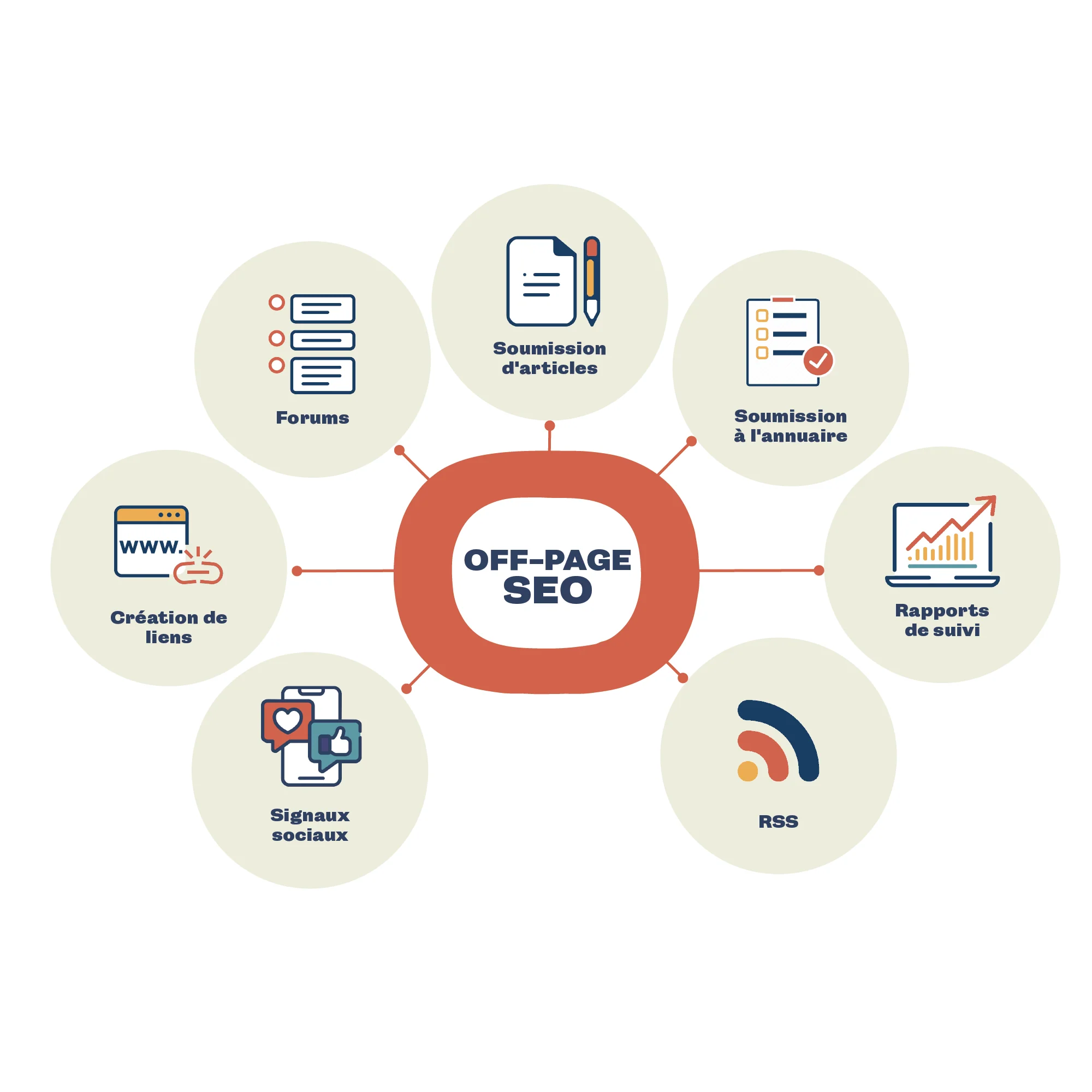
Off-page SEO strategies help in improving the trust and authority of the SPA outside the website. It is important for rankings and visibility. Explore SEO strategies for a single-page app.
Backlinks
Get your content linked by trusted and relevant websites. Focus on quality instead of quantity. Backlinks are useful as it improves the domain authority.
Guest posting
Write articles for other websites, which will include links to your SPA and will eventually build credibility.
Social media sharing
Promote your content on different social media platforms such as LinkedIn, Facebook, and other social media.
Common Single-Page Application SEO Mistakes to Avoid
These are some of the single-page application mistakes that one should avoid to keep their website growing.
- Incorrect tracking can result in inaccurate SEO analysis and poor decision-making.
- Depending only on CSR can block search engines from properly indexing your content.
- Improper use of a URL can lead to limited crawlability by search engines.
- Duplicate meta tags and content can reduce click-through rates and negatively impact ranking.
- Ignoring SSR or pre-rendering can result in poor visibility.
- Generic or AI content can reduce your chance of getting ranked.
- Bad or improper internal linking can stop search engines from crawling through your site.
- Slow page load can negatively affect the ranking and user experience.
- Designing websites only for desktops can cause trouble in indexing your website.
Related: What is Link Exchange in SEO? Its Types and Importance


[…] while watching the video when compared to reading a blog. It increases engagement signals and improves SEO performance by giving more opportunities to communicate your message before the visitors […]