If you are looking for an option to increase the link score for your website, then you are in the right place. In this blog, we will discuss all the key factors that help a website to increase its ranking and authenticity.
We will also learn what link score is, how to calculate it, and what factors are responsible for deciding the link score of a website.
What is Link Score?
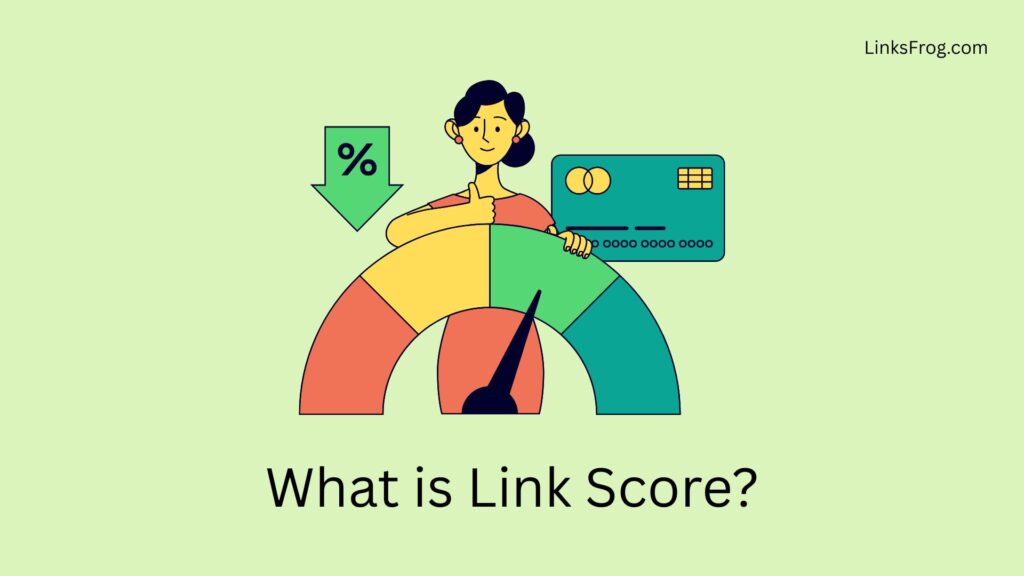
Link score is a metric that shows the overall quality and strength of the links of a webpage or website. Think of it as a report card for your backlinks. It doesn’t just count how many links you have, it looks at:
- The quality of the websites linking to you
- Relevance of that website
- Check whether the link is from a trustworthy source
- Check the dead links (links that are not functional)
- Number of outbound links
Google uses backlinks as a vote of confidence. A link from a respected, high-quality website is like a recommendation from an expert. Link score collects all these signals to give you one simple number that shows how powerful your backlink profile is.
A higher link score means:
- Better chances of ranking high on Google
- Stronger online authority
- More visibility in competitive keywords
- Healthier link profile
A low link score usually means the website needs better, cleaner, and more authoritative backlinks. Understanding link score helps you know which links matter and which are hurting your SEO.
How to Calculate Link Score?
Link score isn’t manually calculated by a fixed formula. Instead, SEO tools use their own algorithms to evaluate several signals. But the basic idea remains the same: the higher the authority and relevance of the links pointing to your site, the higher your score.
Here are the factors used in calculating link score:
1. Quality of the linking website
A link from a government or university site carries more weight than a link from a random blog. The tool checks how trustworthy the linking site is.
2. Relevance of the link
If you have a fitness blog, a backlink from a health-related website is more valuable than a link from a cooking site. Relevance plays a major role.
3. Link placement
Links placed inside the main content are stronger than links from the footer, comments, or sidebar.
4. DoFollow vs NoFollow
DoFollow links pass authority. NoFollow links do not. A strong link score usually depends more on DoFollow backlinks.
5. Anchor text quality
Better anchor text quality helps you increase the link quality. Anchor text is the clickable link on the hypertext that will redirect you to the linked website. Highly used anchor text, or the one that is spam, reduces your link score.
Methods for Calculating Link Score
Methods of calculating link score vary depending on the different SEO tools, as they use different methods. But don’t worry, I’ll tell the common ones that can be useful for any tool. It depends on factors like:
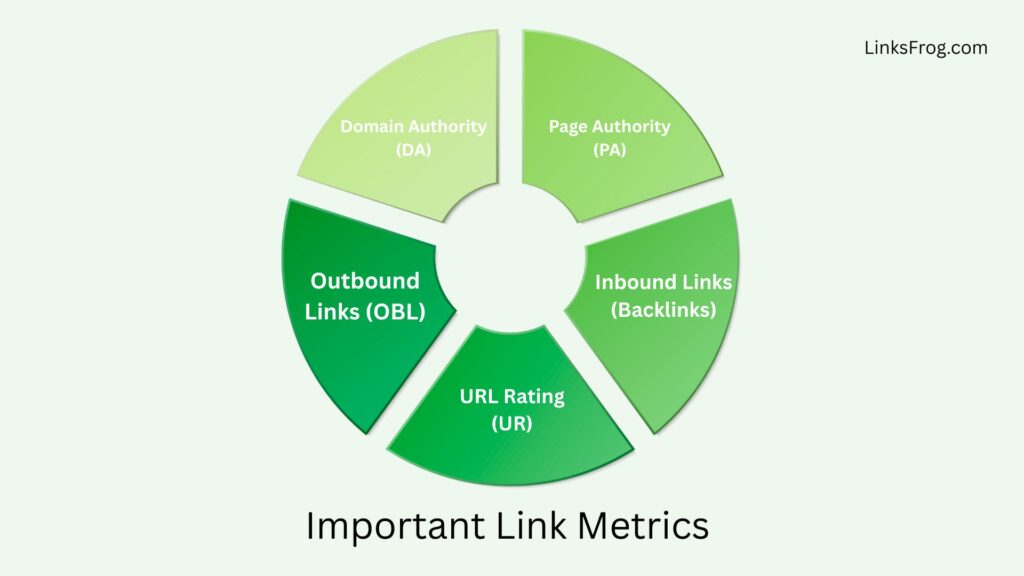
- DA or Domain Authority
- PA or Page Authority
- URL strength
- Spam score
- Total outbound links
- Total inbound links
- Link velocity (how fast you get new links)
These tools are powered by large web crawlers that scan the internet just like Google. They create a map of who links to whom, how strong each domain is, and where those links are coming from. Then they use this collected data to give you a final link score.
The goal is simple: give users an easy-to-understand number that reflects the health and strength of their backlinks.
Important Link Metrics to Measure
To fully understand link score, you must know the major metrics used in link evaluation. These metrics are standard across most SEO tools.
1. Domain Authority (DA)
DA shows the overall effectiveness of the website. It is measured based on a scale of 100. Websites with a high DA score are more trusted, and their ranking on SERPs is more likely. If a high-authority site adds your website’s backlink, your link score will eventually increase.
A business website with a DA of 70 can influence your SEO far more than 10 small blogs combined. Tools like Moz calculate DA by analyzing the website’s backlink profile, link diversity, and trust signals.
DA is an SEO metric that is reliable for understanding the quality of the link and finding the best domain that can improve your website ranking.
2. Page Authority (PA)
The basic difference between PA and DA is that DA checks the authenticity of the entire website, while PA deals only with the quality check of the webpage. In some cases, the DA is high for the website, but the webpage content is not powerful. This is where PA will help you know the real quality of the page’s content.
3. URL Rating (UR)
URL rating shows how strong a particular webpage’s backlinks are. UR focuses only on the link profile of one specific URL. It tells you how many backlinks that page has, how strong they are, and how effectively they pass authority.
UR is very helpful when analyzing competitors’ pages. It shows which pages attract the most powerful backlinks and why they rank higher.
Higher UR = stronger, more trusted backlink strength.
4. Outbound Links (OBL)
Outbound links are the links going out of a webpage. If a webpage links to too many different sites, it divides its authority. That means your link gets less value.
Tools to check OBL to measure the real power of the link pointing to your site.
5. Inbound Links (Backlinks)
Inbound links are links pointing toward your site. They are the backbone of SEO. But the quality matters more than quantity. Backlinks from:
- Reputable sites
- Relevant websites
- Authoritative domains
- Fresh and active pages
A strong link score requires a healthy number of genuine, high-quality inbound links. Tools measure backlink patterns, diversity, and trust signals to understand how natural your link profile is.
6. High-Quality Backlinks
A high-quality backlink comes from a trusted, authoritative, and relevant website. It uses natural anchor text and links to content that provides real value. These backlinks are the biggest contributors to your link score. Some examples are:
- News websites like BBC, Times
- Educational website with .edu in the URL
- Well-known companies’ sites: Amazon, Apple
- Government websites like: The White House, U.S Department of Education
Link Score Example
Let’s say your website has 50 backlinks. But not all links have the same value. Here’s how a link score might look:
- 5 links from high-DA (70+) websites
- 10 links from relevant niche blogs
- 20 links from average-quality sites
- 15 links from low-quality or spammy pages
A tool might assign a link score like this:
- High-authority links add strong points
- Relevant niche links increase credibility
- Low-quality links reduce the score
Final link score: 72/100
Even with fewer links, the high-quality ones boost your score. This example shows that the link score is more about link quality than quantity.
Link Rating
Link rating is the evaluation of how strong a single backlink is. It considers:
- Source website authority
- Page authority
- Relevance
- Focus of the anchor text
- Whether the link is DoFollow
- Link placement in the content
- Total outbound links on the page
Tools assign a score to every backlink you have. This helps you identify which links are valuable and which might harm your SEO.
A good link rating means the link contributes positively to your overall link score.
Factors that Affect the URL Rating Metric
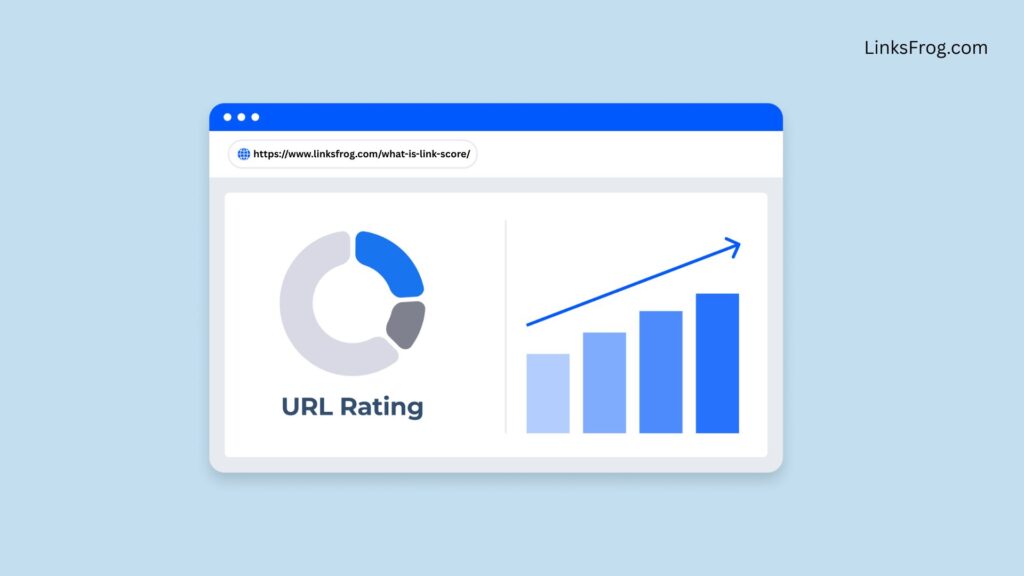
URL Rating depends on how powerful the backlinks pointing to that URL are. Some of the major influences include:
- Number of backlinks: More good-quality backlinks means a higher URL rating.
- Authority of the linked page: Backlink that is from websites or webpages with a higher PA and DA are good for UR.
- DoFollow and NoFollow: The DoFollow link is useful as it will share SEO value with the linked page and will eventually make Google think that the website is recommending your site.
However NoFollow link is about review or comments links that are usually present in the blog article. Google sees the link, but doesn’t give a ranking boost with this. - Placement of Link: The right placement of the link, i.e., in the main content.
- Link relevance: The closer the linking website’s topic matches yours, the better the UR.
- Updated links: New, active links improve UR faster than very old or inactive links.
How to Automate URL Check?
Manually checking URLs for link quality, status, or broken links is time-consuming. Automation tools make this easier. Here are the top 5. Choose the best one based on your requirements.
- Ahrefs: It is best for backlink analysis, checking for broken links, tracking links, and for UR (URL Rating).
- SEMrush: Helps in link building, automated audit, and issue check.
- Moz Pro: It provides DA and PA checking, link score, and detects spammy content.
- Screaming Frog SEO Spider: It is used for finding out the broken links, identifying redirect links, and errors present.
- Google Search Console: Shows link status, URL performance check for free of cost and indexing-related problems.
These tools help you track and improve link score without manual effort.
How to Find Broken Links?
Broken links damage SEO and user experience. They also reduce link score. Here’s how to find them:
- Use SEO tools like Ahrefs, Screaming Frog, and SEMrush for spotting the broken links.
- Google Search Console will help in detecting errors.
- Use Extensions, Check My Link for faster scan.
- Run a manual check of the links by clicking on the hyperlink to cross-check whether
Fixing broken links helps improve authority, user trust, and your link score.
How Does Link Score Help in SEO?
Link score directly impacts your website’s visibility and ranking. A stronger link score means:
- Better chances of ranking on page 1
- Higher trust from Google
- Faster improvement in keyword positions
- Stronger domain authority
- Lower risk of penalties
Link score also helps you identify which backlinks to keep, which to reject, and which kind of websites to target in your link-building strategy.
- Simply put: A high link score = strong SEO foundation.
Strategy to Increase the Link Score
If you want to grow your website’s authority, you must improve your link score. Try these effective and useful strategies to increase your link score:
- Publish the content that adds value and is useful for the readers.
- Add backlinks that are linked to your industry.
- Remove any unnecessary or unrelated links.
- Add links from authorized sites to increase the UR.
- Write some guest posts, as they will bring strong backlinks.
- Adding information like checklists, stats, and reports that are useful and valid will help earn organic links.
With these methods, your link score will grow steadily over time, helping your pages rank higher.
Frequently Asked Questions
What is a good link score for SEO?
A good link score depends on the SEO tool being used and your industry. Compare your score with competitors and focus on earning relevant, high-quality backlinks rather than targeting a specific number.
How can I improve my website's link score?
You can improve your link score by earning backlinks from authoritative websites, publishing valuable content, using natural anchor text, fixing broken links, and regularly auditing your backlink profile.
Is link score a Google ranking factor?
Link score itself is generally a third-party SEO metric, not an official Google ranking factor. However, the quality and relevance of backlinks can influence how Google discovers and evaluates pages.
What is the difference between link score and Domain Authority?
Link score generally evaluates backlink strength based on the specific SEO tool's methodology, while Domain Authority (DA) is a Moz metric that predicts a website's ranking potential. Neither is a direct Google ranking factor.